3 Myths Patients Believe About Treating Darker Skin Types
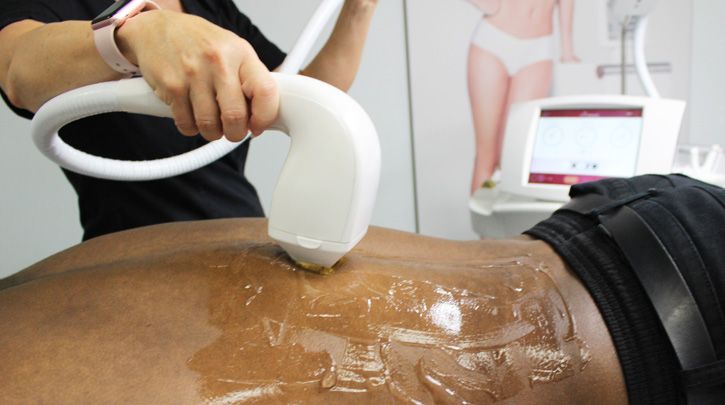
Even though treatment technology and techniques have made aesthetic procedures more accessible, there continues to be a sense of caution among patients with darker skin types seeking light and energy based aesthetics treatments. It’s true that for many years, patients with darker skin had much fewer options. But, as a result of recent innovations, treatment providers are better prepared to ensure safer treatments for a wider range of patients. As a treatment provider, it’s beneficial to prepare for patient questions, and set the record straight to dispel these common myths about treating darker skin types.
Myth #1: Skin Color Is the Only Factor that Can Alter Treatment Settings
When treating darker skin types with radio frequency and/or laser or light-based treatments, skin color is certainly a key factor to take into consideration to determine treatment device settings, frequency of treatments, and overall treatment strategies. However, a patient’s ethnicity, history of sun exposure, and current and past health records can also play a significant role in determining the efficacy of these treatments.
Let the prospective patient know that the more information they are able to provide regarding their health history and their skin’s more general characteristics, the better you can prescribe a customized long-term treatment plan to ensure the best results possible for them. As well, explain to the prospective patient that a test of the treatment in a small, discreet area may be of paramount importance to see how their skin reacts to the treatment. Test spots will ensure that no long-term damage is done, and you have properly adjusted the device to the required treatment parameters dependent on skin tone, type, texture, and more.
Myth #2: It’s Impossible to Find a Specialist Who Can Treat Darker Skin Types
It certainly takes practice and proper training to treat patients of all Fitzpatrick skin types. But with advancements in technology and more widely accessible resources to educate physicians on how to provide safe and effective light and energy based treatments to a wider range of patients, the options available to customers of color are much less limited than in the past. Treatment providers have no excuse not to be aware and adept at helping patients with darker skin.
As an aesthetic professional, it’s your job to actively seek out educational courses and training opportunities, attend seminars and classes at professional conferences, and thoroughly research medical aesthetics devices to ensure your office is well equipped to provide professional services. That kind of education is very desirable to your customers. Let your clients know what specific training you have completed to assist in establishing patient trust. It can also be beneficial to offer content on your website detailing the devices and treatments offered at your medical aesthetics clinic that are safe for dark or tanned skin, as well as an overview of your clinic’s history of experience treating patients with darker Fitzpatrick skin types. Making this information available, combined with optimized digital marketing efforts, will help increase the likelihood of prospective patients coming across your clinic’s website. And by demonstrating your commitment to connect with and serve more patients, you have better chances of boosting consultation bookings and improving your clinic’s reputation as a trusted aesthetics treatment provider for people of color.
Myth #3: Aesthetics Treatments Damage Darker Skin Types
It is true that some light and energy based treatments are particularly unsafe for darker skin types. The reason for this is that these treatments target melanin in the skin. In lighter skin types, these treatments may safely target and treat dark spots, acne scars, or uneven skin tone. But in darker skin types, it is much more difficult to target dark spots and skin tone irregularities without potentially causing post-inflammatory hyperpigmentation (PIH). Likewise, PIH can result from the skin’s overproduction of melanin to heal itself following treatments that cause micro-injuries to skin’s surface, such as skin resurfacing treatments.
However, some treatments carry a lower risk of PIH in darker skin types. Some options, such as laser hair removal devices that utilize diode laser technology, are safer for darker as well as more tanned skin tones when properly completed by an experienced treatment provider; other treatments, such as radio frequency-based treatments, are much safer for all skin types. Let your prospective patient know the best treatments available to them based on their skin type and what your clinic can offer to ensure no damage is done. This may include a modified treatment plan, post-treatment skin care, or device settings better adapted to your patient’s skin type. When possible, having a diverse Before-and-After portfolio to show prospective patients what you are able to accomplish with a customized treatment strategy can go a long way to building patient trust.
Understanding and sharing your knowledge to better serve all of your potential patients is the best thing you can do for your practice. To learn more about the best devices and technologies for treating darker skin types, connect with one of our experts today.