Skin Cancer Awareness Month Guide for Dermatologists

May marks Skin Cancer Awareness Month, a time dedicated to spreading vital information about prevention, detection, and treatment of skin cancer. With more than 6 million diagnoses each year in the United States alone, skin cancer is the most common cancer.
Early detection is crucial, and as dermatologists, you play a pivotal role in identifying the signs early, offering treatments, and guiding your patients through preventative measures. Understanding skin cancer's various forms and the latest technology in treatment is essential for providing the best care to your patients.
The Growing Risk of Skin Cancer
Skin cancer is a rapidly growing health concern across the globe. Basal cell carcinoma and squamous cell carcinoma, two types of non-melanoma skin cancers, are the most commonly diagnosed. These cancers are typically less aggressive and rarely spread to other parts of the body. However, melanoma, a more aggressive form of skin cancer, poses significant risks.
Melanoma is known to spread rapidly and can be fatal if not caught early. It is primarily found in fair-skinned individuals, with exposure to ultraviolet (UV) radiation being a key risk factor. Prolonged exposure to both natural sunlight and artificial sunlight, such as from tanning beds, can increase the chances of developing melanoma.
The Role of Early Detection
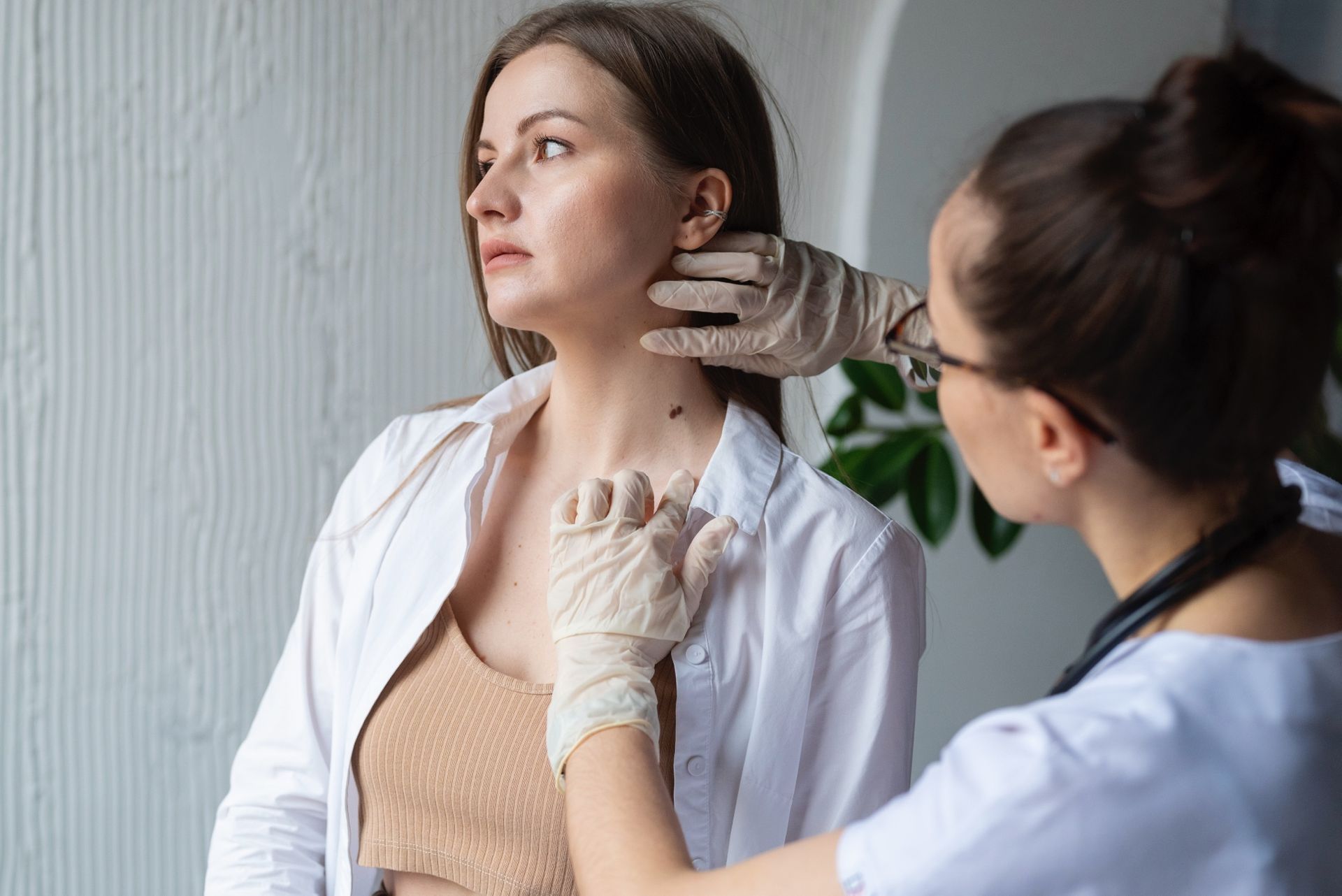
Early detection of skin cancer can significantly improve outcomes. Dermatologists must educate their patients about how to spot warning signs of skin cancer, such as unusual moles or skin changes. The Skin Cancer Foundation promotes the ABCDE rule, which encourages individuals to examine moles for asymmetry, irregular borders, multiple colors, diameter, and evolution over time. Dermatologists should also perform full-body skin examinations during routine visits, looking for any abnormalities in existing moles or new skin growths.
Prevention and Protection
Preventing skin cancer involves consistent and effective skin protection strategies. Education on the use of broad-spectrum sunscreen is key. Dermatologists can educate patients about the importance of reapplying sunscreen every two hours, especially after sweating or swimming. Additionally, wearing protective clothing, sunglasses, and hats, and avoiding direct sun exposure during peak hours, can help reduce risk. Tanning beds should also be discouraged as they expose the skin to harmful UV radiation.
During Skin Cancer Awareness Month, sharing these protective habits through various media channels can help raise awareness about the importance of skin health. Dermatologists should encourage their patients to stay informed about the risks associated with prolonged sun exposure and remind them of the simple ways to protect themselves.
The Importance of Skin Cancer Education
As part of Skin Cancer Awareness Month, dermatologists should strive to actively educate their communities. Whether through workshops, webinars, or social media campaigns, spreading awareness about skin cancer prevention and early detection can save lives. Utilizing digital platforms allows dermatologists to reach a broader audience, educating them on the importance of regular skin checks and encouraging them to take action if they notice any concerning changes.
Additionally, skin cancer awareness initiatives can include promoting skin checks, where patients examine their skin regularly and report any changes to their healthcare provider. This simple action can lead to early detection and better treatment outcomes.
Advocacy for Skin Cancer Research
Skin Cancer Awareness Month is also a time to support ongoing research aimed at better understanding and treating skin cancer. With continued investment in research and new treatment methods, there is hope for better, more effective therapies for patients battling skin cancer. Collaborating with research institutions and staying updated on the latest breakthroughs in treatment options can help dermatologists remain at the forefront of their field.
Closing Thoughts on Skin Cancer Awareness Month
As a dermatologist, your role in preventing and treating skin cancer is vital. Skin Cancer Awareness Month serves as an opportunity to reflect on the progress made and the work that is still ahead. It is a time to give patients the knowledge they need to protect their skin, and it is a time for professionals to ensure that they are equipped with the best tools for diagnosis and treatment. With the right equipment and education, we can make strides in reducing the incidence of skin cancer and improving patient outcomes.