Anti-Aging 101: What Are The 3 Ds?
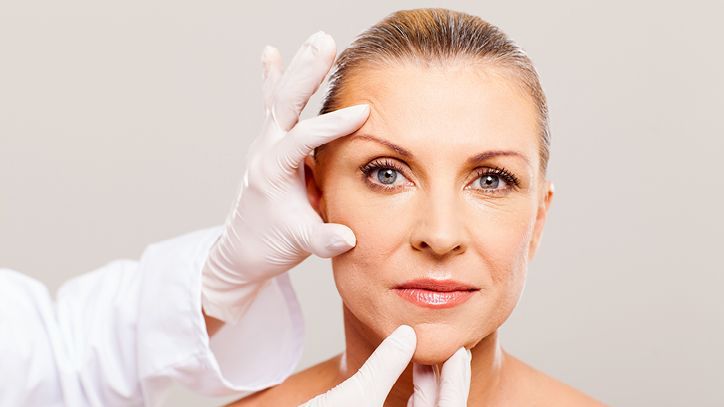
Anti-aging treatments are incredibly popular. Last year, aesthetic practices performed over 650,000 photorejuvenation procedures and over 6 million injections to help patients restore a youthful appearance to aging skin.
These treatments are essential techniques for addressing the 3 Ds of aging—degeneration, deflation, and descent. Understanding how these 3 Ds work and how to treat them is vital for the success of any medical aesthetics practice.
What is Degeneration?
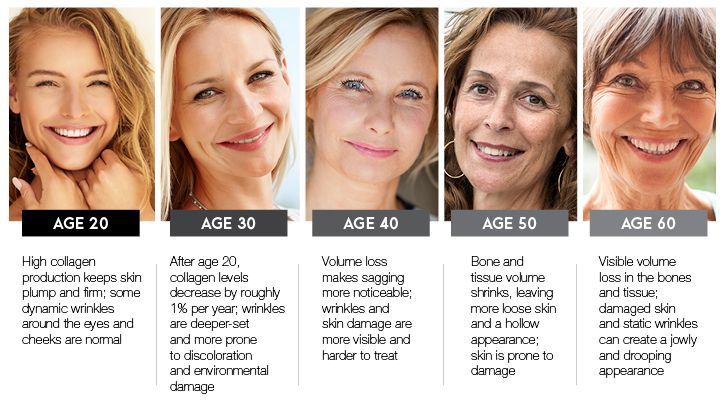
Over time, skin begins to lose its tone and texture. This is caused by lowering levels of collagen and elastin—the building blocks of firm, strong skin. According to some experts, the process of collagen and elastin loss starts around the age of 20— after that, a person produces about one percent less collagen in the skin each year. Without new collagen and elastin to revive the skin, dead cells tend to build up—causing a dull, tired look—and the skin becomes more weathered, fragile, and sensitive to external factors.
Skin damage can come about through extrinsic factors as well, especially ongoing exposure to pollution and UV radiation. It can also be exacerbated by changing hormone levels, variations in diet and hydration, and a history of illness or injury. Genetics can play a role in skin health. These combined factors result in a consistent increase in noticeable signs of damage, like age spots, hyperpigmentation, and static wrinkles.
Some wrinkling is normal for people in any age—these are dynamic wrinkles, fine lines that occur with facial muscle movements, like smile and brow lines. But dynamic wrinkles can become troublesome static wrinkles if the skin can no longer bounce back and firm up.
These skin concerns can be temporarily treated using injectables that diminish the look of fine lines; neurotoxins can slow down the process by which dynamic wrinkles become static. These conditions can be further treated with skin resurfacing and photorejuvenation procedures using energy- and light-based treatment technology. Combination treatments using energy-based devices, dermal fillers, and even platelet-rich plasma, are also highly effective.
What is Deflation?
Deflation refers to volume loss in the face, usually in the form of subcutaneous fat deposits losing their support and appearing sunken. Our faces are made up of bone, muscle, and pockets of fatty tissue beneath the skin. When we’re young, all these components are at their optimal level of collagen and elastin synthesis. But over time, from bones to fat to skin, the production of these and other proteins starts to trail off, leaving them more brittle, less firm, and more prone to remodeling.
The result is these processes means that the physical shape of our face will continue to change throughout life. Some telltale signs of bony facial aging are visible in the bones under the eye socket and along the cheeks, creating a hollow appearance. At the same time, soft tissue and muscle in the face lose their capacity to support the pockets of subcutaneous fat that help to define facial shape. These concerns can often be treated through energy-based skin tightening treatments that help revitalize collagen production for naturally firmer-looking effects, used in combination with dermal fillers to recreate the appearance of plumped-up skin and tissue.
What is Descent?
Facial descent is best recognized as sagging skin. Lax tissue and loose skin are most noticeable in the appearance of sunken or hollow cheeks, and hanging skin in the form of jowls under the neck, creating a drooping appearance under the eyes and along the jawline. As a result of tissue degeneration and collagen and elastin loss, skin sags and forms lines and wrinkles, collecting lower down on the face.
Descent is also visible in skin drooping, and the appearance of the tissue being pulled downwards, as in the ears, eyelids, and loose skin where wrinkling has already formed.
Patients can achieve a firmer, tighter, and more youthful appearance with energy-based skin tightening and wrinkle-reducing treatments; these treatments contribute to renewed collagen and elastin production, reducing loose skin and improving overall facial skin descent. Dermal fillers can also be used to restore volume in drooping areas, especially in combination with skin tightening. On the surgical side, descent is often treated with facelifts.