How Pulse Duration Impacts Laser Hair Removal Treatments
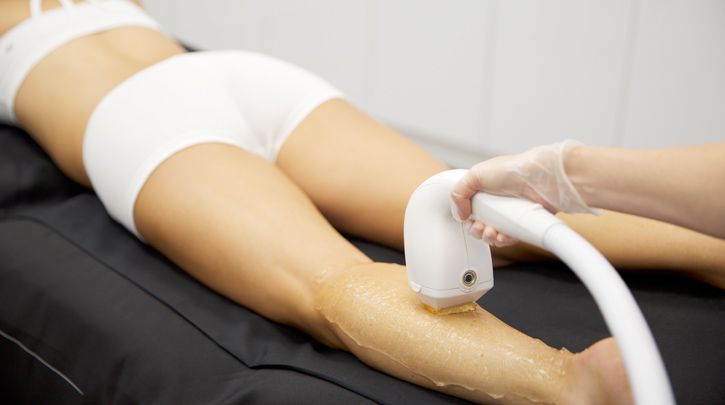
Treatment technology has come a long way since the first laser hair removal device was approved by the U.S. Food and Drug Administration (FDA) in 1997. Over time, researchers have been able to develop safer treatment options that minimize the risk of post-inflammatory hyperpigmentation (PIH) for patients with darker skin tones and offer greater operator control with spot size selection, pulse duration modes, built-in cooling technology, and more.
Today, the top developments in laser hair removal technologies have reduced the post-treatment hair regrowth rate by up to 95%, with devices featuring diode laser technology that is safe for treating patients with darker skin tones and tanned skin. Delivering targeted heat through customized and controlled pulse rates and spot sizes to target hair follicles across a larger surface area, these developments in hair removal procedures reduce the risk of skin damage and improve treatment session times alongside patient comfort. Adjustable pulse width is a major factor in these developments.
How Pulse Duration Affects Patient Safety and Clinical Efficacy
One of four parameters that can improve the safety and effectiveness of laser hair removal treatments, pulse duration, which is also frequently called pulse width, refers to the time a device takes to deliver energy to a treatment area, or the time in which targeted tissue is exposed to laser energy. A key factor for determining optimal pulse duration for a particular treatment is thermal relaxation time (TRT).
TRT refers to the more specific amount of time in which it takes targeted tissue to release more than 50% of the heat delivered with each energy pulse. Because laser energy transfers to thermal heat once it penetrates the epidermis, the temperature of targeted tissue rises with each pulse. As energy disperses at the end of the pulse duration, the targeted tissue cools but some heat is retained. For treatments to be effective, thermal energy needs to be retained in the targeted tissue, rather than allowing it to disperse into surrounding tissue. To achieve this effect, pulse duration must be faster than TRT. Generally speaking, for larger areas, longer pulse durations are required for adequate heating of the targeted tissue, while shorter pulse durations will deliver the same effect to smaller treatment areas.
Pulse duration is also a key measurement for providers treating patients with a wider range of skin tones. Supporting greater efficacy and safety for prospective patients with darker and tanned skin tones, a longer pulse duration decreases the risk of damaging surrounding epidermis, including post-inflammatory hyperpigmentation(darkening of the skin) and hypopigmentation (lightening of the skin). Faster, shorter pulses, on the other hand, offer a more effective treatment for those with lighter skin tones while minimizing potential discomfort during treatment.
Improving Patient Safety with Venus Velocity™’s PULSE and SLIDE Modes
What truly sets the Venus Velocity™ diode laser hair removal device apart is the versatility to not only choose among three changeable tips with varying spot sizes—large at 7 cm 2 , medium at 3.51 cm 2 , and small at 1.69 cm 2 —but to also choose between two different pulse duration modes of operation: SLIDE and PULSE.
Unlike similar diode laser systems on the market that only offer a fixed pulsed or slide mode, Venus Velocity™ allows the operator to choose between the two options to better customize treatments to individual patient needs:
-
PULSE Mode:
Venus Velocity™’s PULSE mode delivers higher energy levels to targeted tissue at a lower repetition rate. When using PULSE mode, the applicator is placed on the skin, the trigger is pressed for one pulse, and is then immediately released before the applicator is moved to the next treatment spot where the process is repeated. This results in improved clinical efficacy, fewer treatment sessions, and improved patient comfort.
- SLIDE Mode: Venus Velocity™’s SLIDE mode delivers a higher repetition rate of shorter energy pulses, achieving greater average power output while the operator glides the applicator over the treatment area. In SLIDE mode, the applicator is placed on the skin, the trigger is held down, and the tip remains in continuous contact with the skin as the applicator is smoothly and methodically moved along skin tissue. Smooth, continuous movement and contact ensures full treatment coverage with little to no discomfort for the patient, as well as decreased risk of discoloration or damage in those with darker skin tones.
Having the unique ability to use either mode of operation provides unparalleled versatility for hair removal treatments. The repetition rate can also be adjusted to provide a tailored solution for your patient’s preferred treatment technique and comfort level.
Interested in learning more about Venus Velocity™’s advanced features and diode laser treatment technology? Contact an expert today using the button below.