The 5 Top Aesthetic Treatments for 2020
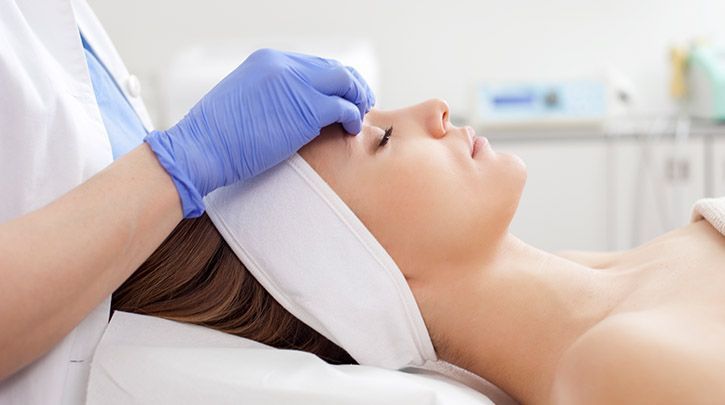
Minimally- and non-invasive treatments were on the rise in 2019 and there’s no sign that demand will slow in 2020. Since the turn of the millennium, the number of minimally invasive procedures performed has grown 200% and with this growth has come an abundance of new treatments, techniques, and innovative technologies. Which of these will see increased demand this new year?
Top Aesthetic Treatments Forecast to Grow through 2020
While there are some trends that may not last long-term—think exaggerated lip fillers, tattoo freckles, and “Botox birthdays” that saw millennials celebrating their special day at MedSpas with close friends, opting for fillers alongside blowouts—increased interest in particular treatments can help to inform your clinic of longer-term trends. As we’ve noted before, it is important to consider the pros and cons of trendy treatments and perhaps look a little further to determine underlying trends that have the potential of staying through 2020 and beyond. Taking a look at the statistics and data gathered from the end of 2019, the following treatments are our top recommendations for you to add to your services for a successful 2020.
“Tweakments ”
The 2010s was a decade of social media growth. Millennials began to rely on filters and photo-editing apps before they began to seek ways to get similar effects through aesthetic treatments. Injections were the first trend to offer the results consumers desired but with time, social media influencers and high-society figures began opting for more natural-looking treatments to maintain a younger-looking appearance without looking “done.”
Natural and effortless constitute the beauty ideal in 2020, ushering in a new decade of non-invasive treatment trends and preventive skin care regimens like ultra-hydrating dermal rejuvenation procedures.
While RealSelf noted cheek fillers as a top trend in 2019, the outcome of the treatment—natural contouring—is the biggest highlight. Patients are seeking new ways to firm up face lines while non-surgical radio frequency (RF)-based treatments offer opportunities to stimulate elastin fiber contractions and skin cell renewal along the chin and cheeks for a more defined jaw. Interestingly, alongside this increase in cheek fillers, RealSelf also reported hyaluronidase came in third on its list of the fastest-growing nonsurgical treatments of the year, seeing a 50% increase over 2018. Being an enzyme injected in a targeted area with the sole purpose of breaking down hyaluronic acid-based fillers, it would seem the increase in hyaluronidase injections indicates patients may be intrigued by fillers but less satisfied with their treatment outcomes. In 2020, the aim is to offer up energy-based non-invasive treatments that can help patients achieve firming, smoothing results without the injections.
Selfie-Ready Skin Treatments
There’s a reason the “glass skin” trend generated steam last year. Stemming from South Korea, U.S. clinics offered a treatment called “skin botox,” which entailed the more superficial injection of the same neurotoxin used in traditional Botox procedures in the outer layers of the skin. This led to contractions in the epidermis and a reduction in the appearance of pores and wrinkles for a smoother complexion. The main result was the creation of a real-life selfie filter, correcting skin texture concerns without the need for surgery or post-selfie photo editing.
However, the glass skin trend is starting to see a downturn, with its need for regular maintenance and its less natural-looking results. Further, as mentioned in the first trend, patients are seeking alternatives to injections as they look for more natural options. Tapping into these concepts, there may be a more viable opportunity in 2020 to merge pore-refining, skin-smoothing results with “tweakment” services, omitting injectables in favor of energy-based skin resurfacing treatments that can help to reduce the appearance of enlarged pores, wrinkles, and other textural concerns. Paired with quality skin care—an easy upsell if you retail products in your clinic—skin resurfacing treatments can help patients achieve a refined complexion with more natural-looking results that dive deeper through the epidermis for a longer-lasting effect.
Vaginal Rejuvenation
A recent article in the International Journal of Women’s Dermatology contends that non-invasive vaginal rejuvenation treatments will see an increase in demand in 2020. As more women feel empowered to take control over and talk about their sexual health, prospective patients will opt for a non-invasive vaginal rejuvenation procedure to address stress incontinence, pain during intercourse, vaginal dryness, and other concerns. The media and technological innovation are coming together to lower the barriers surrounding the communication of concerns surrounding female sexual dysfunction and incontinence, offering women more options than before. According to the authors of the article, RF devices and lasers are spearheading the growth with fillers and platelet-rich plasma having a helping hand.
Delivering thermal energy through the vaginal walls, these energy-based vaginal rejuvenation devices stimulate collagen production and kickstart fibroblast activity. This process results in the contracture of elastin fibers for increased firmness, neovascularization (formation of new blood cells) to stimulate rejuvenation and sensitivity, and improved vaginal lubrication to combat dryness. Further still, complementary treatments utilizing the benefits of energy-based devices and PRP therapy or fillers are expected to see an uptick. Considering an estimated 40% of women in the U.S. alone suffer from such sexual dysfunction concerns as dryness, pain during sex, a lack of arousal or an inability to orgasm, often arising with age or after giving birth, it is clear that offering vaginal rejuvenation services in 2020 could offer significant benefits to your patients.
Brazilian Butt Lift Alternatives
Body aesthetic trends have certainly changed over the years. While Brazilian butt lifts had their heyday in the 2010s, in 2020, they may just be phased out. The procedure is sure to stick around but it is becoming a more divisive topic of conversation for two main reasons: the surgical treatment carries greater risks, and a combination of complementary non-surgical options with increasingly innovative technologies and targeted workouts may attain comparative results.
In fact, non-surgical aesthetic devices that utilize RF and pulsed magnetic field technologies to target fat cells and stimulate collagen production are gaining steam in the body shaping realm. They are expected to remain popular options among patients, particularly as the new year begins and body goals and resolutions are developed. Patients, in general, like to see that they have a hand in achieving their ideal results. This makes treatment plans that complement their workouts with a targeted touch through non-surgical fat and cellulite reduction treatments the ideal this year for achieving their unique body goals. Patients often do their research of innovative body aesthetic technologies, such as non-invasive lipolysis. This is an alternative to more invasive procedures such as liposuction which could risk increased complications and downtime. These two factors often make patients hesitate to commit to an aesthetics treatment plan.
Treatments for Women with Thinning Hair
While hair thinning for women is not a new occurrence in the aesthetics market, in recent years, more prospective female patients are seeking out treatment options rather than relying on a new hairstyle or updo that hides thinning patches. While hair thinning in women remains a somewhat taboo topic—even as the American Academy of Dermatology reports more than 40% of women will experience noticeable hair loss by the age of 40—barriers are beginning to drop and the news regarding treatments is slowly starting to spread, particularly as aesthetic solutions for female hair loss continue to evolve.
The female hair loss treatments market is certainly large and complex with recommended treatments being dependent on the cause of female hair loss, the health of the patient’s donor hair, and the patient’s targeted results. Having said that, in 2020, RealSelf Beauty editors are betting on an uptick in platelet-rich plasma (PRP) scalp injections for female hair thinning. PRP therapy for hair loss relies on growth factors drawn from the patient’s blood to stimulate follicle growth. Blood is taken from the patient’s arm, spun in test tubes in a centrifuge to separate red blood cells from plasma that contains platelets rich in growth factors. The plasma is then injected into the scalp in the targeted areas. Multiple treatment sessions are recommended for optimal results. Further, while the treatment may be used alone, studies suggest PRP therapy may pack a more potent punch when used in conjunction with a hair transplantation procedure, such as NeoGraft ® , to increase the survivability of transplanted follicles.
Take the First Step to Prep
Knowing which long-term treatment trends may thrive in 2020, the first step to ensuring your clinic is on the right track to serving patients with the aesthetic services they want is to equip your clinic with the right devices. From our Venus Versa™ multi-treatment platform, which offers a variety of tweakments and selfie-ready treatment options via three distinct modes of action to the NeoGraft ® hair restoration system which offers in-demand automated Follicular Unit Extraction (FUE) and implantation treatments, Venus Concept has a device for you. Contact an expert today using the button below to start exploring the best options for your clinic’s needs.