The Skinny On Non-invasive Fat Reduction Technologies
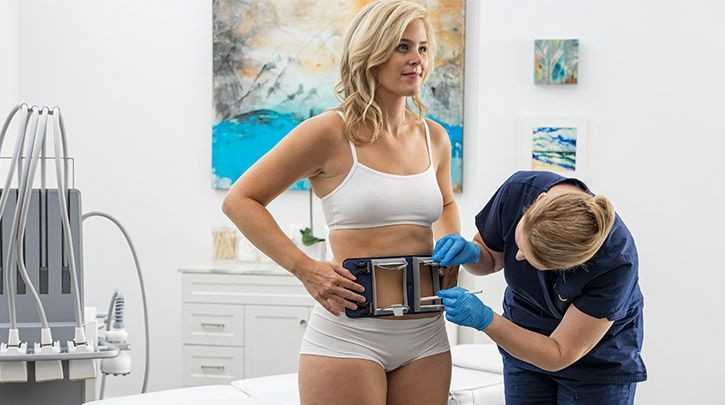
Non-invasive fat reduction offers a significant growth opportunity in the medical aesthetics space. The fastest-growing area of cosmetic dermatology in 2018, as reported by Cutis , the global non-surgical fat reduction market value is forecast to surge to $2.5 billion by 2025, expanding at a compound annual growth rate of 15.9%. It’s no wonder the market is growing, though, with the waist being a top aesthetic concern for one-third of adults.
Much of this growth can be attributed to technological innovations that are introducing new aesthetic devices to the market that meet the needs of more male and female patients alike. As a medical aesthetics professional, you want to provide your clients with the safest and most effective treatments while maintaining a strong return on investment. However, choosing the right therapies to offer can be an intimidating task. Fortunately, we’re here to help with the decision-making process.
Here, we take a closer look at the market’s leading fat reduction devices, as well as important considerations for incorporating them into your practice.
Top Developments in Fat Reduction Device Technology
Over the past decade, non-invasive fat reduction device technologies have been refined with cryolipolysis, radio frequency (RF), ultrasound, and laser being the top current modalities on the market. The different devices have varying mechanisms of action, but they all seek to damage or destroy fat cells, which are then eliminated by the body.
Cryolipolysis
Cryolipolysis destroys fat cells by freezing them. In studies, the treatment is well tolerated with minimal discomfort and 73% patient satisfaction. Common side effects include bruising, swelling, tingling, and numbness. The treated area must be massaged after the procedure, which patients often describe as painful and adds to treatment time. Anecdotally, patients and practitioners report that pain and discomfort are not uncommon, and some patients have delayed onset pain requiring pain medication.
Radio Frequency
Several manufacturers offer RF-based fat reduction devices. Upon delivering radio frequency energy to fat cells, the impedance of the skin and adipose tissue creates heat that breaks down fat in the targeted treatment area. Depending on the device, skin tightening, collagen remodeling, and circumferential reduction may also be offered.
Some notable advantages of RF devices are that there are generally no consumable costs, the modality can address various other aesthetic issues, and applicators featuring a larger spot size can enable these devices to treat broader areas of the body. One notable drawback is that many RF-based fat reduction devices require a very hands-on treatment, requiring that the operator constantly move the applicator over the treatment area in order to deliver a safe and effective treatment.
Ultrasound
Ultrasound fat reduction devices are based on two mechanisms: high-intensity focused ultrasound (HIFU) or focused pulsed ultrasound. Similar to RF, HIFU creates thermal energy to destroy fat cells, while focused pulsed ultrasound devices utilize acoustic energy to achieve the same result. While HIFU generally requires just one treatment for optimal results, some patients report discomfort with heat levels during treatment. In comparison, focused pulsed ultrasound devices generally require multiple treatments for optimal results but the experience is better tolerated among patients.
Laser
Laser modalities for non-invasive fat treatments are evolving rapidly and are the focus of much innovation.
The historical application of laser in fat reduction involves low-level laser, sometimes called cold laser. Using low levels of light, cold laser fat treatments disrupt the fat cells’ membranes, creating a temporary pore through which fat seeps out. Because the treatment utilizes six lasers, this method tends to offer more generalized body contouring. While the procedure is generally comfortable, it requires multiple treatment sessions with just a 47% “Worth It” rating on RealSelf.com. Further, patients must take a daily supplement, drink plenty of water, follow a low-fat diet, and eliminate caffeine and alcohol for optimal results, which places a lot of pressure on patients. It is also important to note that the procedure cannot target particular fat deposits, which requires providers to very clearly explain the procedure to patients.
Newer 1064 nm diode laser technology offers a significant advance. Non-invasive lipolysis using diode lasers at 1064 nm delivers wavelengths that penetrate the skin and target the adipose tissue layer, damaging fat cells via thermal energy. The treatment is safe for all skin types, takes no more than 30 minutes, is very comfortable, and does not require any downtime. A contact cooling system during treatment provides comfort for the patient and prevents damage to the surface of the skin. Patient satisfaction is more than 90%, and only mild side effects such as slight soreness and edema are seen. The abdomen and flanks can be treated with several studies showing a significant reduction in fat layer thickness.
Laser lipolysis devices have been available for a few years now, but innovation continues to improve the technology. One of the latest offerings, Venus Bliss™, is an advanced medical aesthetic device indicated for non-invasive lipolysis of the abdomen and flanks, resulting in fat reduction. It employs up to four diode laser applicators that have a large spot size, at 36 cm 2 each, allowing coverage for a larger treatment area. The applicator also provides uniform power distribution for homogenous heating throughout the treatment area. Balanced heat distribution supports consistent results and reduces hot spots that can cause pain or discomfort to the patient.
Dive into the Details
Looking for a more in-depth comparison of non-invasive fat reduction technologies on the market to help you decide which device is right for your clinic? Download our free report, The Skinny On Non-invasive Fat Reduction: How To Choose The Right Device To Meet The Rising Demand , using the button below for access to greater details and a helpful comparison chart.