What Is Rosacea and How to Treat It
At present, it’s estimated that at least 16 million Americans are suffering from rosacea and many more may not yet know that they have it. Another three million Canadians are estimated to have rosacea as well. Prevalent among women and those with paler skin, rosacea is a very common skin disease that still puzzles researchers. So, what exactly is rosacea, what are its most common signs and symptoms, and how can you, as a medical aesthetics treatment provider, be of service to your patients presenting with rosacea?
What Is Rosacea and Who’s Most at Risk?
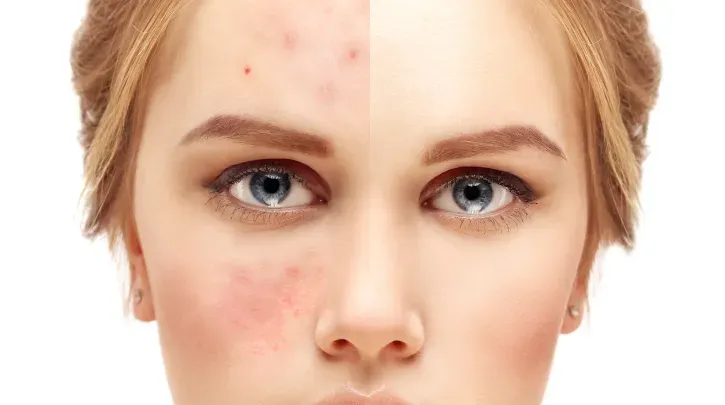
Rosacea is a long-term cutaneous condition that predominantly presents on the face. In milder form, rosacea is marked by temporary erythema (redness or blushing) on the nose and cheeks that can potentially spread to the forehead, chin, ears, chest, and back. Several factors may trigger rosacea flare-ups, such as spicy or hot foods and beverages, alcohol consumption, sun exposure, sudden changes in temperature, genetics, certain skin care ingredients, exercise, and emotional stress among other factors. Erythema may become permanent with time, depending on severity and treatment.
While researchers remain unsure of the definitive cause of rosacea, there are a few factors known to increase one’s risk of developing rosacea based on prevalence studies. The top factors are as follows:
- Age: Prevalence and onset increases between 30 and 50 years of age.
- Paler skin: Those with Celtic of Scandinavian backgrounds or a combination of pale skin and hair report a higher rate of rosacea.
- Genetics: Those with family members who have rosacea or severe acne are at greater risk.
- Acne: Those with severe acne are more likely to develop rosacea later on.
- Sex: While women are more likely to develop rosacea in general, men are more likely to develop severe rosacea.
The Four Subtypes of Rosacea
While rosacea may differ in severity, it can also differ in symptoms presented. As such, there are four subtypes of rosacea that physicians, dermatologists, and aesthetics providers may use to better diagnose and recommend appropriate treatment for rosacea patients. The four subtypes of rosacea are outlined below, along with the symptoms that mark each subtype.
Erythematotelangiectatic Rosacea (ETR)
Top symptoms: Marked mostly by erythema, telangiectasias (broken or visible blood vessels), and skin sensitivity
Additional symptoms:
- Easily blush with erythema mostly in the center of the face
- Telangiectasias (spider veins)
- Inflamed and sensitive skin
- Sensation of warmth or stinging when irritated
- Slightly dry or rough skin
Papulopustular (Acne) Rosacea
Top symptoms: Papules and pustules (acne-like breakouts), erythema, and inflammation, most commonly diagnosed in middle-aged females
Additional symptoms:
- Papules and pustules that appear to cycle, accompanied by erythema and inflammation
- Excessively oily skin
- Plaques (patches of raised skin)
- Very sensitive and stinging skin
Phymatous Rosacea
Top symptoms: While rare, this type of rosacea is marked by the visible thickening of skin, particularly on the nose, and develops out of one of the previous subtypes of rosacea.
Additional symptoms:
- Rhinophyma (thickening of skin on the nose)
- Bumpier, uneven skin texture on the chin, cheeks, and forehead
- Enlarged pores
- Excessively oily skin
- Greater degree of telangiectasias
Ocular Rosacea (Rosacea in the Eyes)
Top symptoms: More than half of all patients diagnosed with rosacea experience ocular rosacea, with some presenting ocular rosacea prior to cutaneous symptoms. Ocular rosacea is marked by typical rosacea symptoms appearing in the skin around the eyes.
Additional symptoms:
- Watery, bloodshot, red eyes
- Eyes feel dry and gritty, as if there’s sand in them
- Burning, stinging, itching sensations
- Light sensitivity and blurry vision
- Cysts or sties
- Telangiectasias and erythema on the eyelid
- Blurry, decreasing vision
How Medical Aesthetics Can Treat and Control Rosacea Symptoms
In most cases, the skin sensitivity that rosacea causes can feel much worse to your patients than the visible symptoms. As a treatment provider, you’ll want to take this increased sensitivity into consideration when treating rosacea patients and creating a long-term treatment plan. Additionally, you’ll want to recommend a plan that makes use of complementary treatments to treat the multiple symptoms rosacea may present. Treatments may include topicals, oral medications like antibiotics or isotretinoin to manage papules and pustules, cosmetics to camouflage erythema or breakouts during treatment, and a gentle skin care routine. In some cases, advanced acne treatments may help resolve breakouts associated with papulopustular rosacea. In particular, aesthetic treatment providers may help patients with rosacea by using non-invasive laser or energy-based aesthetic treatments to manage erythema and uneven skin texture while promoting healthy skin healing and renewal.
For patients experiencing phymatous rosacea or scarring as a result of papulopustular rosacea, a customized skin resurfacing treatment plan using advanced treatment technology may help boost skin cell renewal and improve skin texture. Featuring NanoFractional Radio Frequency (RF) technology, Venus Viva™ utilizes an applicator with tiny pins to create micro-dermal wounds without affecting surrounding tissue and that trigger the body’s natural healing process. By enabling control of ablation, coagulation, and resurfacing, treatment providers are able to use Venus Viva™ to target mild to severe skin damage, thereby improving the appearance of conditions like rosacea.
As for treating patients presenting with ETR and seeking solutions for telangiectasias, Venus Versa™ photorejuvenation treatments may be a strong addition to your medical aesthetics clinic’s offerings. Utilizing Intense Pulsed Light (IPL) with SmartPulse™ technology, Venus Versa™ photorejuvenation treatments deliver targeted pulses of broad-spectrum light, ensuring precise, consistent energy delivery through advanced pulse optimization. Targeting and destroying oxyhemoglobin in vascular marks, Venus Versa™ photorejuvenation treatments may offer a safe, comfortable, and effective solution to telangiectasias for your rosacea patients.
Interested in learning more about the benefits of our Venus Viva™ or Venus Versa™ aesthetics systems for treating the most common symptoms of rosacea and more? Contact an expert today using the button below.