How Dermatology Clinics Can Better Educate Patients About Skin Cancer
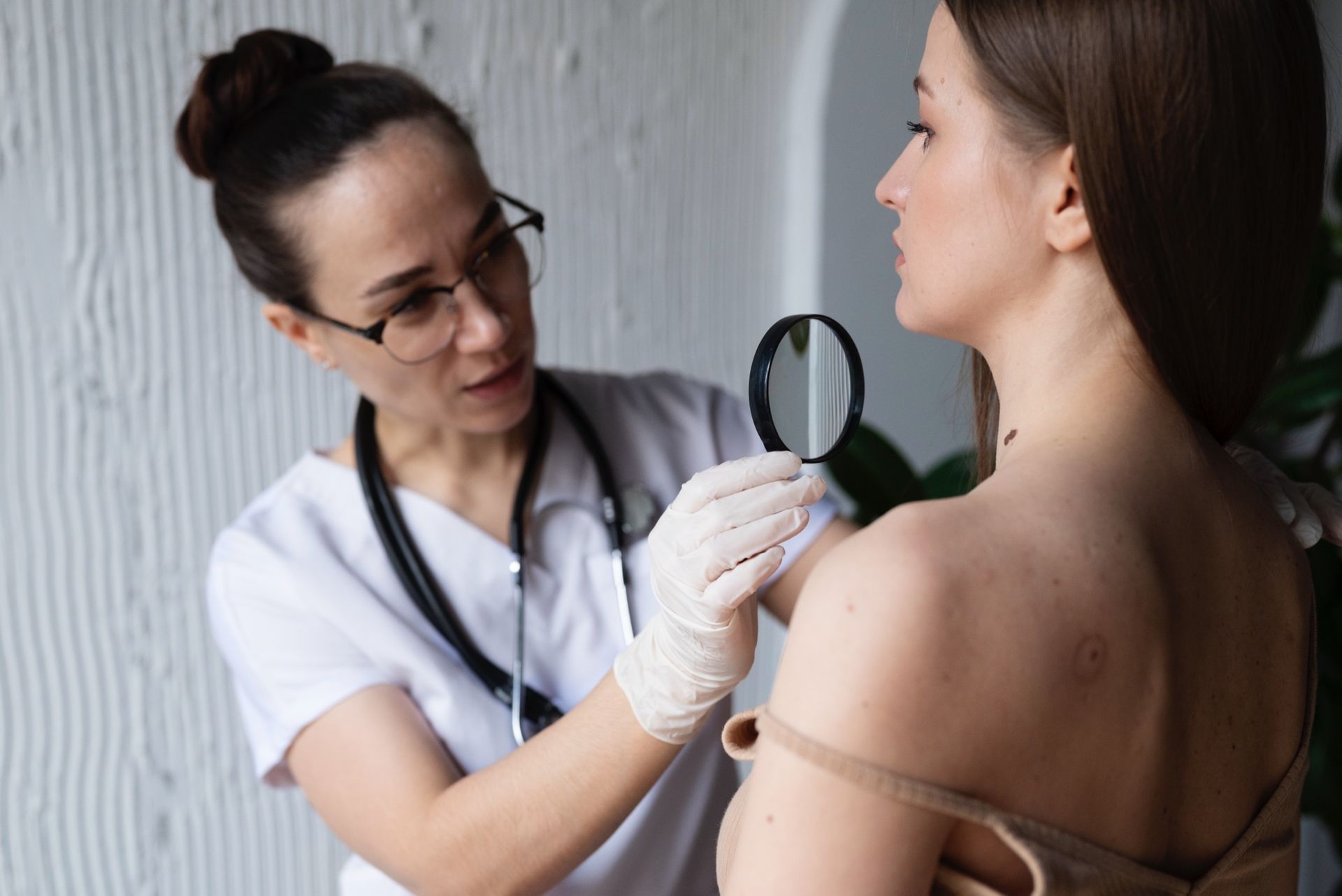
Skin cancer remains one of the most common cancers globally. Early detection is key to improving treatment outcomes. By offering thorough skin cancer patient education, dermatology clinics help patients identify risks and act promptly.
Educating patients on the importance of self-examinations, sun safety, and routine screenings can save lives. Moreover, integrating technology like facial treatment machines can further enhance detection and recovery, promoting overall skin health.
The Importance of Skin Cancer
Education
Patients often lack understanding about skin cancer, believing it only affects those who spend excessive time in the sun. It is vital that dermatology clinics break these misconceptions. Educating patients about risk factors such as family history, fair skin, and certain types of moles can lead to earlier interventions and improved outcomes.
An informed patient is more likely to follow through with necessary screenings and adopt preventive practices. This not only reduces the incidence of skin cancer but also enhances treatment effectiveness by catching the disease early.
Types of Skin Cancer and How to Identify Them
Educating patients about the types of skin cancer helps them understand the severity of different skin conditions:
- Basal Cell Carcinoma (BCC): Most common but rarely spreads. It often appears as a pearly bump or a pink patch on sun-exposed skin.
- Squamous Cell Carcinoma (SCC): More aggressive than BCC, it appears as red, scaly patches that can bleed. SCC can spread if not treated early.
- Melanoma: The most dangerous form, often appearing as an irregularly shaped mole with multiple colors. It is vital to detect melanoma in its early stages for better survival chances.
By educating patients about these types, dermatologists help them identify potential issues before they become serious.
The Role of Skin Self-Exams and Early Detection
Teaching patients how to conduct skin self-examinations regularly is critical for early skin cancer detection. Here are a few tips dermatologists should emphasize:
- Check monthly: Patients should perform a full-body self-check once a month to track any new or changing moles.
- Use a hand mirror: For hard-to-see areas like the back or scalp, a hand mirror helps patients get a clear view.
- Mole map: Encourage patients to document any changes over time using a "mole map."
Self-examinations can save lives by catching skin changes early. Dermatologists should be proactive in training patients to recognize when they need to seek help.
Promoting Early Detection and Prevention
Education on early detection plays a key role in reducing skin cancer risks. Dermatology clinics can help by:
- Monitoring Mole Changes: Teach patients the ABCDEs of melanoma for identifying concerning moles.
- Self-Exams: Encourage regular self-checks for new growths or changes in moles.
- Screening Frequency: Advise frequent screenings for higher-risk patients.
- Sun Protection: Reinforce daily sun protection, such as SPF use and protective clothing.
By guiding patients on prevention and early detection, dermatologists can improve care and outcomes.
Incorporating Technology to Enhance Patient Education
Dermatology clinics can utilize technology to make skin cancer education more effective. Devices that assist in the early detection of skin cancer can enhance both diagnosis and patient understanding. For example, imaging tools that display high-resolution images of the skin help patients visualize any potential issues, making the process interactive. Additionally, AI-driven tools that assist in analyzing lesions can offer another layer of support, helping both patients and dermatologists detect abnormalities early.
Using these technologies can reinforce the importance of early detection and better educate patients on the significance of monitoring their skin.
Skin Cancer Treatment Guidelines and Best Practices
Following the Skin Cancer Treatment Guidelines allows dermatologists to offer the best possible care. These guidelines recommend personalized treatment plans based on the patient’s skin cancer type, stage, and health status.
For basal and squamous cell carcinomas, treatments such as excision or Mohs surgery are commonly used, with additional therapies considered when needed. Melanoma treatments are more complex and may include surgery, immunotherapy, or targeted therapy.
Understanding these guidelines and educating patients about available treatment options can result in a smoother, more efficient treatment process, which leads to improved patient outcomes.
The Role of Dermatologists in Skin Cancer Education
Dermatologists play a significant role in the fight against skin cancer. Not only do they treat skin cancer, but they also educate patients about its prevention and detection. By integrating skin cancer education into regular appointments, dermatologists can motivate patients to adopt healthy habits and seek treatment when necessary. This proactive approach has the potential to reduce the number of skin cancer cases and improve overall patient well-being.
Taking Action: Educating and Empowering Patients
Dermatology clinics are in an excellent position to educate their patients about skin cancer. By offering clear, concise information and reinforcing key concepts such as early detection, sun safety, and regular screenings, dermatologists can empower their patients to take charge of their skin health.