Integrating Radiotherapy into Skin Cancer Care: Insights for Dermatology Clinics
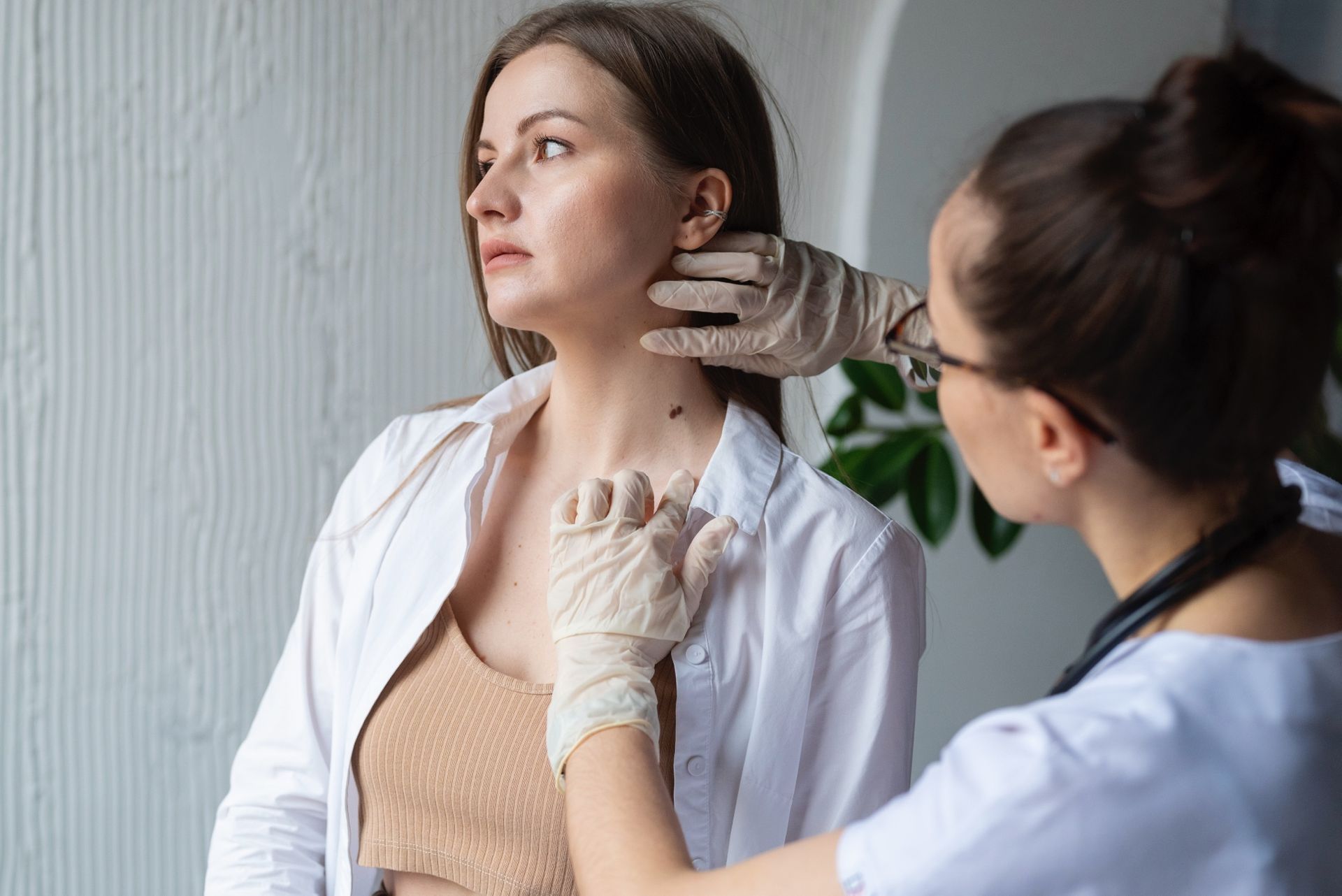
Skin cancer continues to be one of the most commonly diagnosed cancers globally. With continuous advancements in treatment methods, dermatologists are constantly seeking more effective solutions. Skin cancer radiotherapy has emerged as an important addition to the clinical toolkit. This treatment method opens up new pathways for certain types of skin cancer, especially for tumors that are difficult to treat with surgery alone. Today, radiotherapy, combined with other therapeutic approaches, is transforming how skin cancer is managed, leading to improved patient outcomes.
The role of facial treatment machines has expanded beyond cosmetic treatments to include technologies that assist in skin cancer care. These tools complement radiotherapy, aiding skin healing and supporting efficient care during treatment.
The Role of Radiotherapy in Skin Cancer Treatment
Radiotherapy, specifically designed for skin cancer, involves using high-energy rays, such as X-rays or electrons, to destroy cancer cells. This treatment is often utilized when a skin tumor is too large or located in an area that is hard to surgically remove. While surgery remains the primary approach for basal and squamous cell carcinomas, radiotherapy is invaluable when surgery is not an option or when additional treatment is necessary.
For example, radiotherapy can be used after surgery to eliminate small cancer cells that may not be visible, reducing the risk of recurrence. This approach is known as adjuvant treatment. It can also be helpful in treating advanced melanoma or when skin cancer has spread to other organs or lymph nodes.
When is Radiotherapy Used in Skin Cancer Treatment?
Radiotherapy is most commonly employed when a tumor cannot be surgically removed or if a patient is not suitable for surgery. For large skin tumors, radiotherapy offers a focused approach to destroy cancer while minimizing harm to healthy tissue. For certain skin cancers like melanoma, radiotherapy can be used as a primary treatment when surgical removal is not an option.
Radiotherapy is also used in conjunction with other therapies. After surgery, it can be applied to target any remaining cancer cells, offering a more complete treatment plan. This method is often recommended for patients with a higher risk of recurrence.
Skin Cancer Treatment Guidelines and the Role of Radiotherapy
Following the proper Skin Cancer Treatment Guidelines is important for dermatologists to determine the best course of treatment for each patient. These guidelines detail when and how radiotherapy should be included in a treatment plan. For instance, patients with basal or squamous cell carcinoma may undergo surgery followed by radiotherapy to minimize the risk of recurrence. In more advanced melanoma stages, radiotherapy can help control the disease and manage symptoms.
The choice to use radiotherapy depends on various factors, including the type of skin cancer, tumor location, patient health, and personal preferences. As an adjunct therapy, radiotherapy offers dermatologists a flexible option for customizing treatment plans, ultimately improving patient care.
Different Types of Radiotherapy for Skin Cancer
Radiotherapy can be delivered in different ways, with two main types: external radiation therapy and brachytherapy.
External Radiation Therapy
In external radiation therapy, radiation is directed at the skin tumor from outside the body using a machine. This method uses X-rays or electron beams focused on the cancerous area. External radiation is typically used for larger tumors or those located on areas of the body that are more accessible. The procedure is painless, and each session is relatively brief.
Brachytherapy
Brachytherapy involves placing a radioactive source directly onto or near the tumor. This method is used for tumors located in areas such as the head or neck. It allows for more precise treatment, minimizing the exposure of surrounding healthy tissues. Brachytherapy is often completed in fewer sessions, making it a more convenient option for patients seeking alternatives to surgery.
Side Effects and Considerations of Radiotherapy for Skin Cancer
Like any medical treatment, radiotherapy carries potential risks, although they are usually limited to the treated area. These risks may include skin irritation, redness, and hair loss. In rare cases, long-term complications can involve changes in skin texture or the development of secondary cancers in the treated area. These concerns are particularly relevant for younger patients or those receiving high doses of radiation.
However, radiotherapy is generally considered safe when used correctly. Dermatologists weigh the benefits and risks carefully, making sure patients are well-informed and involved in the decision-making process.
The Future of Skin Cancer Treatment: AI and Radiotherapy Integration
Looking forward, artificial intelligence (AI) has the potential to further refine the role of radiotherapy in skin cancer treatment. AI-driven technologies can assist in precisely targeting tumors, ensuring that radiation is delivered to the right areas while minimizing damage to surrounding tissues. These innovations could enhance the accuracy and efficiency of radiotherapy, expanding its role in skin cancer management.
As AI and advanced technologies continue to evolve, dermatologists will have more tools to diagnose and treat skin cancer with greater precision. These developments offer new hope for patients, improving the quality and speed of care.
Improving Patient Outcomes with Personalized Treatment Plans
The integration of radiotherapy, cutting-edge technologies, and personalized care plans is setting a new standard for skin cancer treatment. By tailoring treatments to each patient’s unique needs, dermatologists can offer the most optimal care possible.