Rosacea Awareness Month: A Guide for Aestheticians
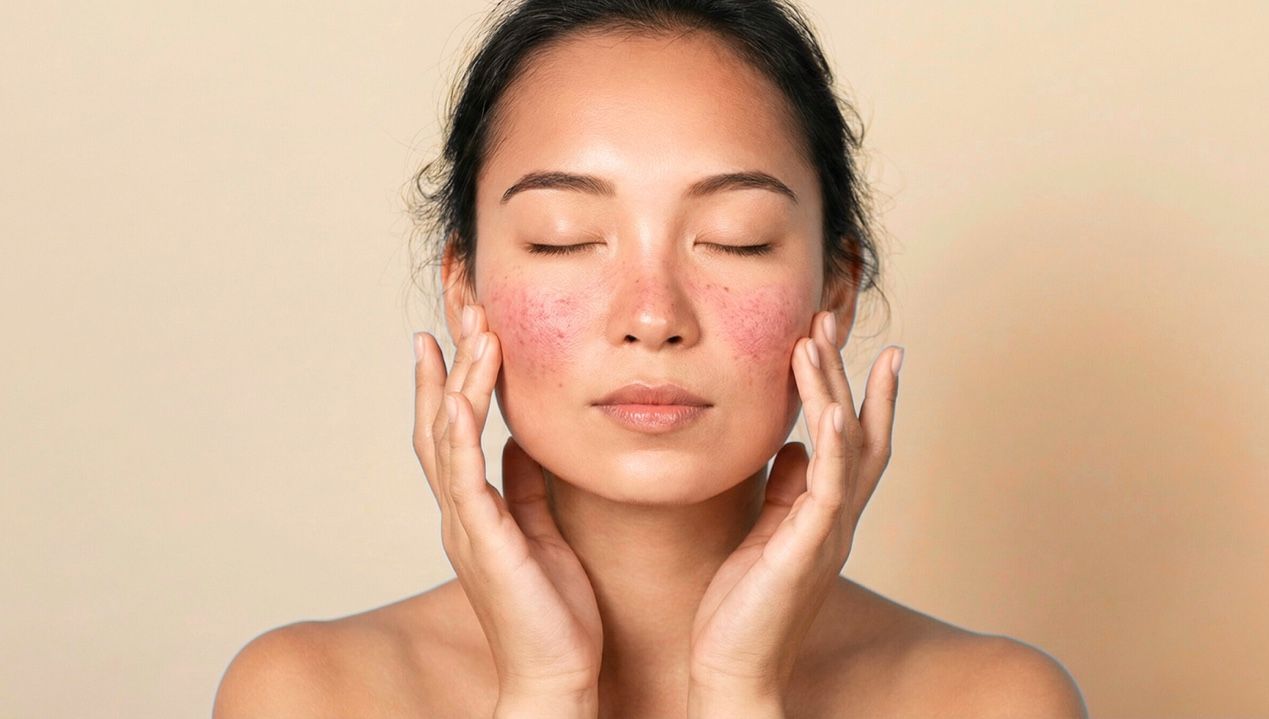
Every April, the National Rosacea Society invites healthcare professionals and patients alike to shine a spotlight on rosacea—a chronic, inflammatory skin condition affecting more than 16 million Americans and 400 million people worldwide. For aestheticians, Rosacea Awareness Month offers a prime opportunity to strengthen client relationships, share expert knowledge, and position your practice as a trusted resource for evidence-based skin care and rosacea treatments.
Why Rosacea Awareness Matters for Your Practice
Rosacea is one of the most commonly misdiagnosed skin conditions. Clients frequently mistake persistent facial redness for sunburn, acne, or even an allergic reaction—and many go years without a proper diagnosis. Studies show that only about 3 million of the 16 million Americans affected are actively managing their rosacea, highlighting a significant opportunity for skilled aestheticians to educate and support their clients. That gap represents a significant opportunity for aestheticians who understand the disease and can guide clients toward the right treatments and referrals.
By recognizing the warning signs early—persistent centrofacial redness, visible blood vessels, papules, pustules, or eye irritation—you can help clients seek dermatological evaluation before the condition progresses. Providing expert advice on rosacea-safe skin care routines and appropriate treatment options not only helps your clients but also establishes your practice as a go-to destination for effective skin care solutions.
Key Rosacea Facts to Share With Clients
- Rosacea is a chronic condition characterized by flare-ups and remissions. While it cannot be cured, it can be effectively managed through the right combination of medical therapy, lifestyle adjustments, and professional skin care guidance.
- Common triggers include sun exposure, extreme temperatures, hot beverages, spicy foods, alcohol, stress, and certain skin care ingredients like fragrances, alcohol-based products, and essential oils.
- The condition most frequently appears in adults aged 30 to 60 with lighter skin tones, although it can affect anyone regardless of age or skin type.
- Ocular involvement occurs in up to 50 percent of rosacea cases, making it essential to ask clients about eye irritation and dryness during consultations.
How Aestheticians Can Participate in April
Educate on social media. Use the hashtag #RosaceaAwareness and create content that helps followers identify early warning signs. Provide tips for avoiding triggers and gentle skin care routines that support the skin barrier, such as nicotinamide-based moisturizers, colloidal oatmeal cleansers, and broad-spectrum SPF 30 or higher sunscreens.
Host a client education event. Whether virtual or in-person, a short seminar on rosacea basics can generate tremendous goodwill and new consultations. Discuss how advanced aesthetic technologies—including IPL photorejuvenation and light-based treatments—can safely complement medical therapy for reducing persistent redness and visible capillaries.
Strengthen referral relationships. Rosacea management often requires a team approach. Use this month to connect with local dermatologists and build collaborative care pathways, so clients receive both the medical oversight and the aesthetic expertise they need.
The Role of Advanced Technology in Rosacea Care
While topical and oral medications remain the cornerstone of rosacea therapy, device-based treatments are increasingly recognized in clinical guidelines as effective complementary options. Intense pulsed light (IPL) and laser therapies can target vascular lesions, reduce diffuse facial redness (erythema), and help manage telangiectasias—the visible blood vessels that medication alone often cannot fully address. These advanced technologies provide aesthetic professionals with powerful tools to enhance traditional medical treatments, offering clients visible, lasting improvements in skin tone, texture, and overall rosacea management.
Treating Rosacea with Venus Versa™ Pro and Venus Viva™ MD
For aesthetic practices looking to expand their rosacea treatment capabilities, advanced device-based technologies such as IPL on the Venus Versa™ Pro and NanoFractional RF on the Venus Viva™ MD offer powerful, clinically relevant options that complement topical and oral therapies.
Venus Versa™ Pro with IPL (Intense Pulsed Light) is designed to address vascular components of rosacea, including diffuse erythema and visible capillaries. Its SmartPulse™ technology delivers optimized light energy that selectively targets hemoglobin in superficial blood vessels while supporting patient comfort through continuous temperature monitoring and cooling. This makes IPL photorejuvenation an effective approach for reducing persistent redness and improving overall skin tone in appropriately selected clients. In addition to treating vascular lesions, the platform supports a wide range of photofacial applications, allowing providers to integrate rosacea care into broader skin-rejuvenation treatment plans.
Venus Viva™ MD with NanoFractional Radio Frequency provides a complementary strategy by improving the appearance of textural irregularities often associated with chronic rosacea. NanoFractional RF creates controlled micro-channels in the skin while leaving surrounding tissue intact, supporting faster healing and minimal downtime compared with more aggressive resurfacing modalities. This customizable technology can help improve uneven texture, dyschromia, enlarged pores, and rosacea-related skin changes across all Fitzpatrick skin types, making it a versatile addition to long-term rosacea management protocols.
Together, these technologies allow aesthetic professionals to address both the vascular and textural dimensions of rosacea, supporting more comprehensive treatment outcomes while reinforcing collaboration with dermatology partners when medical therapy is required. Integrating IPL and NanoFractional RF into your treatment offerings can help position your practice as a destination for advanced, evidence-informed rosacea care.
Make This April Count
Rosacea Awareness Month is more than a calendar event—it is a call to action for every aesthetic professional committed to skin health and client education. By arming yourself with current clinical knowledge, educating your clients, and integrating advanced treatment technologies into your practice, you can make a meaningful difference in the lives of the millions living with this chronic condition.
Start the conversation today, and let your expertise be the reason a client finally experiences relief and confidence in their skin.