Rosacea Clinical Treatment Guidelines for Aesthetic Professionals
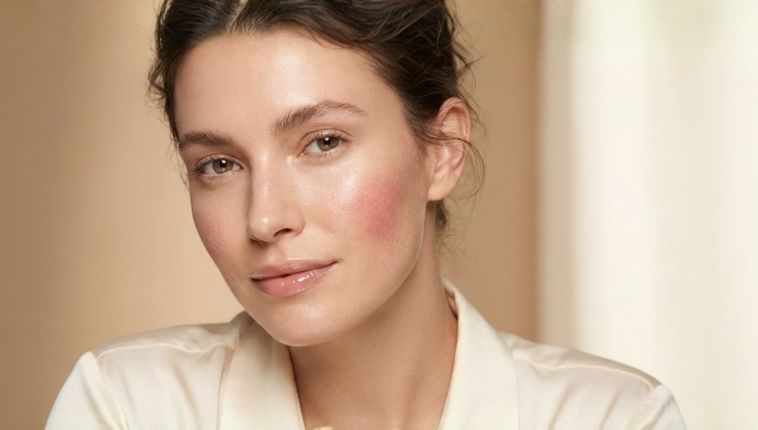
Rosacea management has advanced considerably in recent years. Modern clinical guidelines now favor a phenotype-based approach, meaning patients are treated according to their individual combination of signs and symptoms rather than rigid subtype classifications. For aesthetic professionals, understanding these guidelines is essential to delivering safe, effective, and evidence-based care. Here is what you need to know.
Understanding the Modern Classification of Rosacea
Historically, rosacea was divided into four subtypes: erythematotelangiectatic (redness and visible blood vessels), papulopustular (bumps and pimples), phymatous (thickened or bumpy skin, often on the nose), and ocular (eye irritation, dryness, or redness).
However, the 2017 update by the National Rosacea Society Expert Committee clarified that rosacea is better understood as a single condition with many overlapping symptoms, rather than completely separate types.
Today, a diagnosis can be made if a person has either persistent redness in the center of the face (called centrofacial erythema) or thickened skin changes, or if they show two or more major symptoms—like frequent flushing, visible tiny blood vessels (telangiectasia), red bumps or pimples (papules and pustules), or eye issues such as irritation or dryness.
This “phenotype-directed” approach means that treatment is tailored to each individual’s unique combination of symptoms, rather than using a one-size-fits-all method.
First-Line Pharmacologic Therapies
Clinical guidelines recommend several categories of medical therapy as first-line interventions for rosacea, depending on the client’s main symptoms (phenotype):
- Topical agents: Ivermectin, azelaic acid, and metronidazole remain the most commonly prescribed topicals for inflammatory lesions. Newer options include topical minocycline foam and encapsulated benzoyl peroxide which offer additional choices for targeted, skin-friendly care.
- Vasoconstrictors: Brimonidine and oxymetazoline can provide temporary relief from diffuse erythema by constricting dilated blood vessels. They work by narrowing the tiny blood vessels that cause visible redness, giving clients a smoother, more even skin tone.
- Oral medications: Low-dose doxycycline is widely used for its anti-inflammatory properties. For more severe or refractory cases, isotretinoin, minocycline, or azithromycin may be considered under medical supervision.
Even though these medications are outside an aesthetic professional’s prescribing authority, it’s important to understand them. Knowing how these treatments work helps aestheticians coordinate care with dermatologists, provide informed guidance to clients, and ensure that professional skin treatments complement medical therapy safely and effectively.
Procedural and Device-Based Therapies
This is where aesthetic professionals play a central role. Current evidence supports several energy-based devices for rosacea management, each designed to target specific symptoms of the condition:
| Technology | How It Helps Combat Rosacea |
|---|---|
| Pulsed Dye Laser (PDL) | Considered the gold standard for vascular rosacea. PDL targets the hemoglobin in tiny blood vessels to reduce redness and visible vessels (telangiectasias) with high effectiveness. |
| Intense Pulsed Light (IPL) | Broadband light that effectively treats diffuse redness, visible vessels, and flushing. Studies show over 75% clearance of vascular lesions in a majority of patients. |
| KTP Laser | Targets superficial vessels with shorter wavelengths. May offer shorter recovery times compared to PDL. |
| Nd:YAG Laser | Penetrates deeper layers of skin, making it ideal for larger or deeper blood vessels. |
| CO₂ / Er:YAG Lasers | Specifically used for phymatous rosacea, including rhinophyma (thickened nose tissue), to remodel tissue and reduce excess growth safely. |
Research confirms that IPL treatments are generally well-tolerated, with most patients reporting minimal pain, no need for anesthesia, and only transient erythema post-procedure. Typical treatment plans involve two to four sessions spaced three to four weeks apart, with occasional maintenance sessions as needed to sustain results.
Integrating Venus Versa™ Pro and Venus Viva™ MD Into Rosacea Protocols
Among the energy-based options supported by current clinical guidelines, advanced platforms such as Venus Versa™ Pro and Venus Viva™ MD allow aesthetic professionals to address both vascular and textural manifestations of rosacea within a structured treatment plan.
IPL with the Venus Versa™ Pro is well suited for managing persistent erythema, flushing, and visible telangiectasias. By delivering controlled light energy that selectively targets hemoglobin within superficial vessels, IPL treatments help reduce diffuse redness while improving overall skin tone clarity. This makes the technology especially valuable for clients whose primary phenotype includes centrofacial erythema or vascular instability. Treatment sessions are typically well tolerated and can be incorporated alongside dermatologic therapy as part of a multimodal care strategy.
For clients experiencing longer-term skin texture changes associated with chronic inflammation, NanoFractional RF with the Venus Viva™ MD provides an additional complementary option. This technology creates controlled micro-injuries in the skin to stimulate remodeling processes that improve uneven texture, enlarged pores, and rosacea-related surface irregularities. Because NanoFractional RF is customizable and suitable across a wide range of skin types, it supports safe integration into progressive treatment plans focused on restoring overall skin quality.
Used together within a phenotype-directed framework, IPL and NanoFractional RF enable aesthetic professionals to address both vascular visibility and structural skin changes, helping create more comprehensive and durable rosacea outcomes for appropriately selected clients.
Building a Multimodal Treatment Plan
The most successful rosacea outcomes result from combining medications, procedural treatments, and lifestyle strategies into a comprehensive plan. As an aesthetic professional, your aesthetic treatment plan should consider three layers of care:
- Medical foundation: Ensure your client is working with a dermatologist to manage inflammatory bumps, redness, and other medical aspects of rosacea.
- Device-based treatment: Incorporate IPL, laser, or radiofrequency technologies to address persistent vascular signs and improve overall skin quality. Tailor device selection and parameters to the patient’s Fitzpatrick skin type, dominant symptoms (phenotype), and treatment history.
- Supportive skin care and education: Guide clients toward gentle, barrier-supporting products and daily broad-spectrum sun protection. Encourage clients to track personal triggers—like sun exposure, spicy foods, or stress—using a diary or app, which helps prevent flare-ups and empowers them to take control of their skin health.
Elevating Your Rosacea Expertise
Staying current with clinical treatment guidelines positions your practice at the forefront of aesthetic care. Rosacea patients are often underserved and highly motivated—they seek professionals who understand their condition and can provide real solutions.
By combining evidence-based protocols, advanced technology, and compassionate client education, you can deliver the kind of transformative results that build loyalty and drive referrals.
Empower your clients with effective rosacea care—partner with Venus today to integrate advanced treatments, education, and expert guidance into your practice!
Ready to integrate advanced IPL and laser technologies into your rosacea protocols? Connect with a Venus clinical specialist.